Partners can be more dangerous than competitors.
A partner is not a bandage for uncertainty. A partner is a magnifier of whatever problem already exists. If you accept someone’s money, they become part of your business — wanted or not.
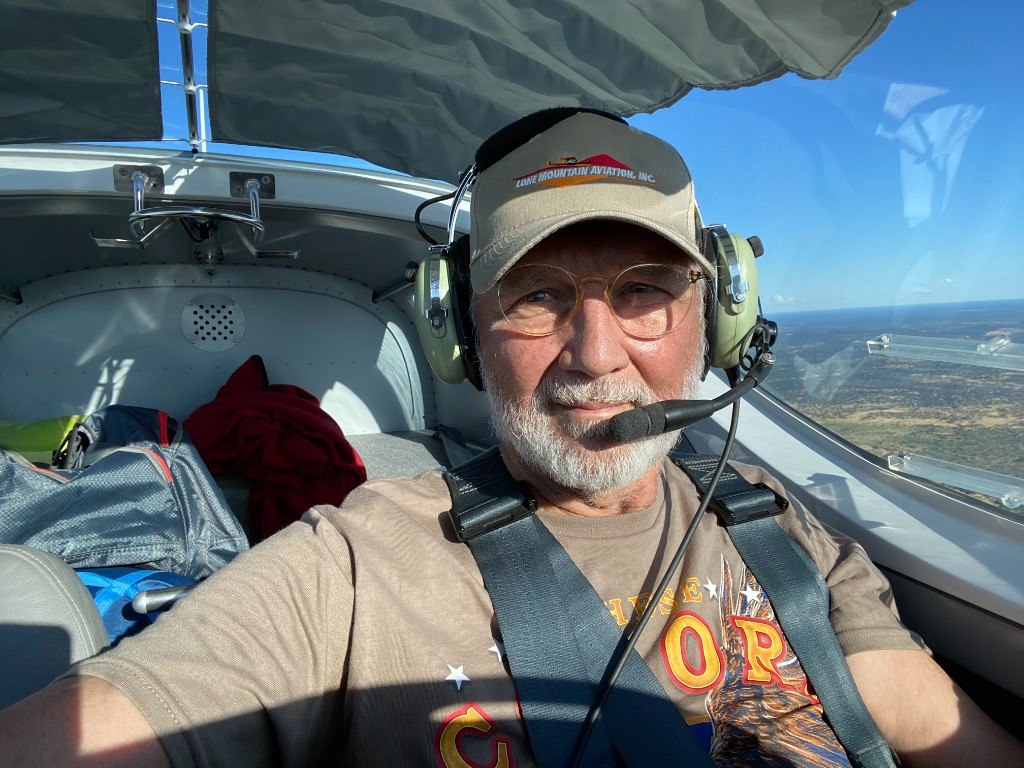
Navy veteran · Pilot · Trucker · Fifty-year entrepreneur
I have started companies, lost companies, flown my own airplane into places most people avoid, driven an 18-wheeler for six years, and at 76 I am building again. This is where I keep the story — and the lessons that came with it.
— Barry Rickert
From the road
Six prints

01Why this site exists
It behaves like something living inside you. It keeps you awake at night. It whispers ideas you didn’t ask for. It refuses to let you settle. And when it goes quiet, you don’t feel peace — you feel lost.
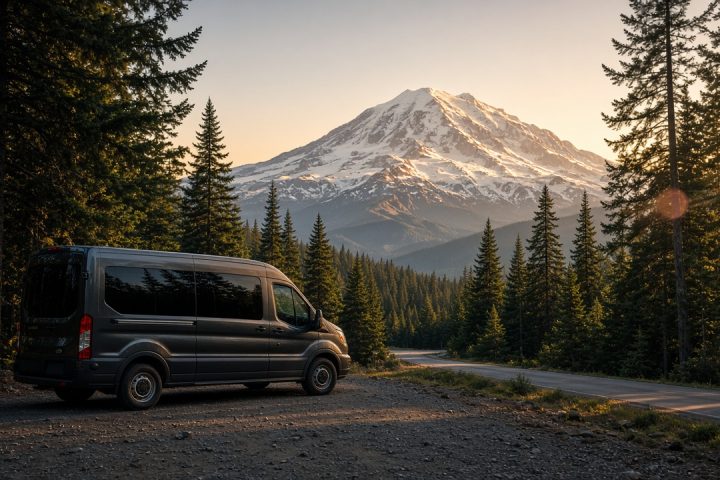
Most people think entrepreneurs start companies because they have a great idea. The truth is simpler: we start companies because we can’t help ourselves. I have spent fifty years proving it — in engineering plants, printing presses, a Times Square apartment, a truck stop in Montana, and now a fifteen-passenger van in the Pacific Northwest.
This site is not here to inspire you. It is here to prepare you. The story is true, the failures are mine, and the lessons cost more than I would like to admit.
02The story so far
Dayton to the Navy, to Ohio, Louisiana, Atlanta, California, New York City, back to Atlanta, then Las Vegas and Washington State. A pattern of leaping into the unknown, succeeding just long enough to fail in a new way, and rebuilding from scratch.
Age 18 · U.S. Navy · nuclear submarine
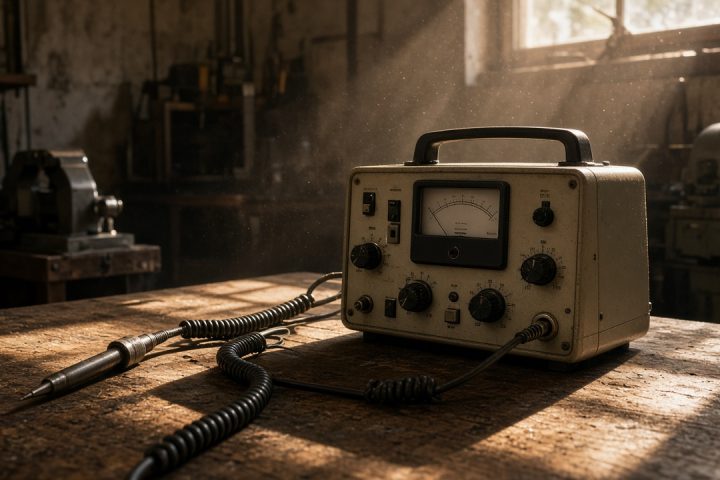
A captain handed me a job I had never heard of: vibration analysis. Find the machines that could give away our position. I wrote handwritten letters to American manufacturers; one shipped me a $15,000…
Age 25 · Columbus & Worthington, Ohio
No degree, no mentor, no roadmap. My grandmother — a church organist for forty years — handed me $10,000 as a gift. It bought my first analyzer. The company failed quietly, like a machine…
Louisiana · Sulphur, Louisiana
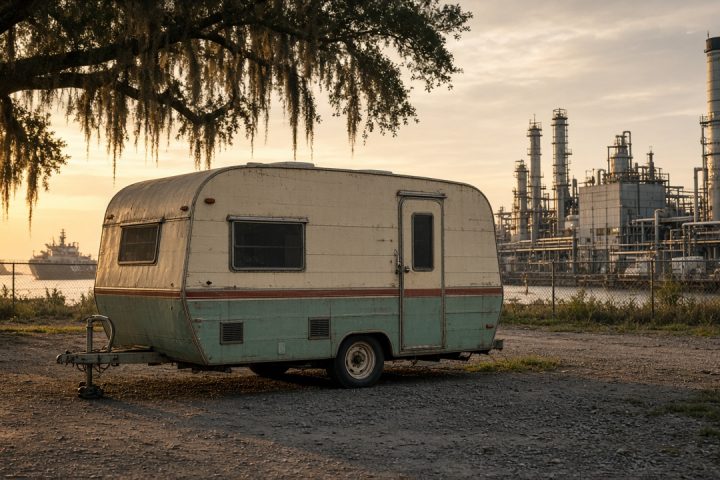
We packed a newborn and a set of analyzers into an RV and drove to the Gulf Coast. The RV was our first mobile laboratory; our daughter slept in a suitcase in the loft.…
The Mac era · Georgia → California → New York
One $2,500 Mac, one $4,000 scanner, and a $60,000 check handed to me in church for a 500-page catalog I had no idea how to make. “Absolutely.” We cut Harbor Freight’s art department from…
September 2001 · Times Square, New York
I was reading the newspaper in my apartment when Terri called from Atlanta. “Are you watching the TV?” Within weeks, both CatTrax and BMR Associates were gone. Thirty years of relationships, momentum and reputation…
Six years · An 18-wheeler, forty-eight states
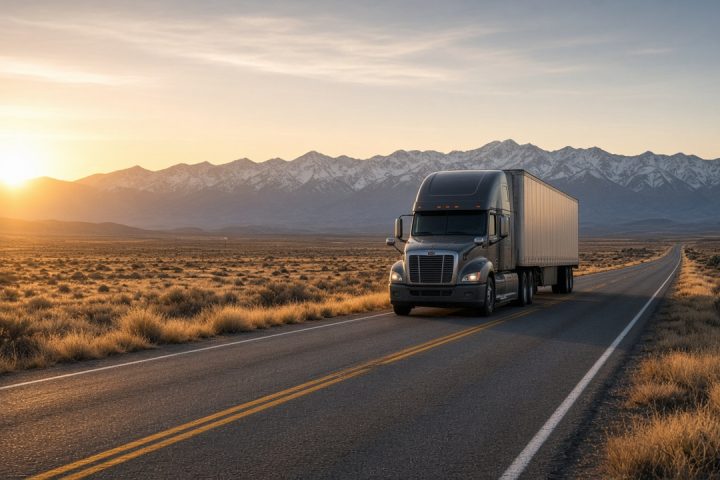
A friend said: “Why don’t you drive a truck?” CDL school in Virginia, then six years of sunrises in Wyoming and blizzards in Montana. No employees, no emergencies, predictable income — one of the…
Now · Pacific Northwest
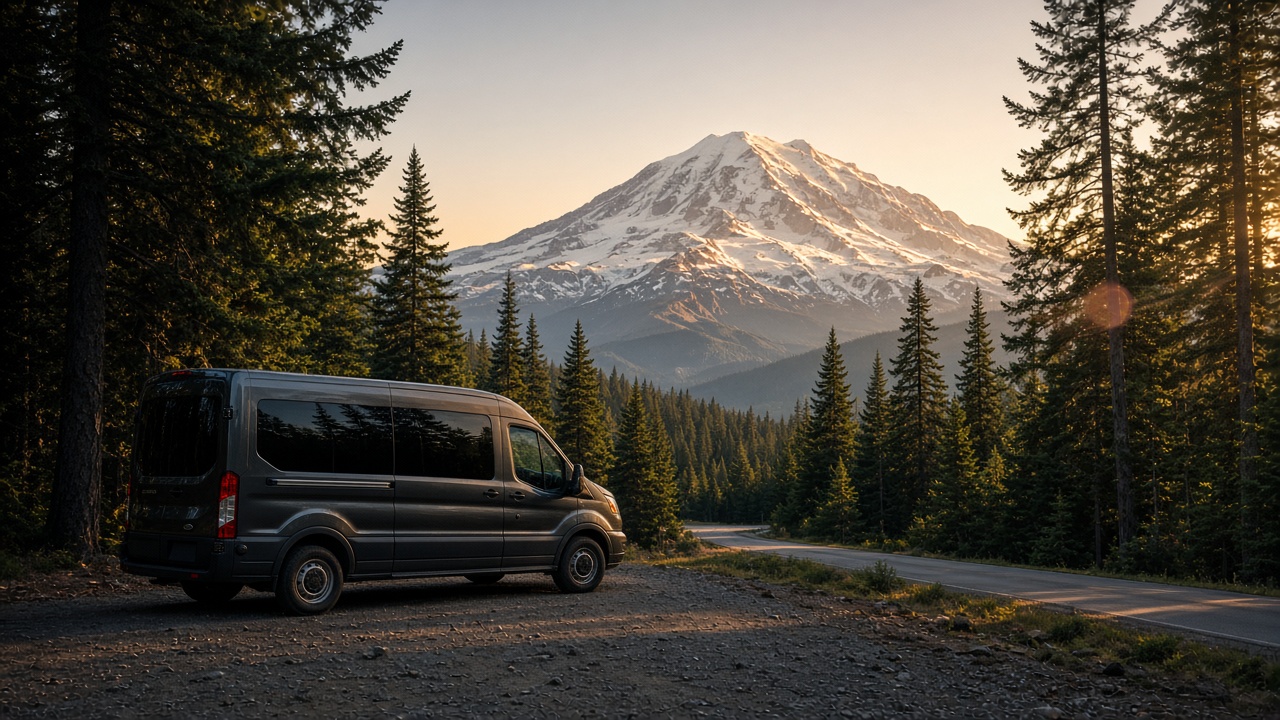
I ordered a Ford Transit and waited three years for COVID-era Ford to deliver it, then built it into an RV, rented it on Turo, and watched my daughter give up a cross-country camping…
03What it cost to learn
No theories, no formulas, no “three steps to success.” Just the uncomfortable kind of truth — the kind you only admit after you’ve survived it.
A partner is not a bandage for uncertainty. A partner is a magnifier of whatever problem already exists. If you accept someone’s money, they become part of your business — wanted or not.
Entrepreneurial rule #17. A stranger handed me a $60,000 check for a 500-page catalog. Inside: “I have no idea if I can pull this off.” Outside: “Absolutely.”
The MIT engineer gave BMR Associates instant legitimacy and gave me bandwidth. Bandwidth is dangerous for an entrepreneur — it means something new is coming.
One bookkeeper, one unpaid year of wage taxes, one $250,000 liability. From that day on my CPA reviewed every quarter.
Unchecked optimism can quietly sink your ship. Business is easy — until people enter the picture. Employees can save you or destroy you, sometimes in the same week.
Success inflates; failure grounds. Success blinds; failure reveals. If success is a reward, failure is a curriculum. You are not ready for real success until you have taken a few beatings and kept going anyway.
I share a weekly lesson for entrepreneurs. History, not hope — one email a week.
04The book
Nine chapters and an epilogue. The Navy, the first company, the partner who wanted his money back, the airplanes, the catalog revolution, 9/11, the trucking years and the van that became a mission. Read it, or let me read it to you.
“Failure Is Always an Option” — read aloud
05The vision
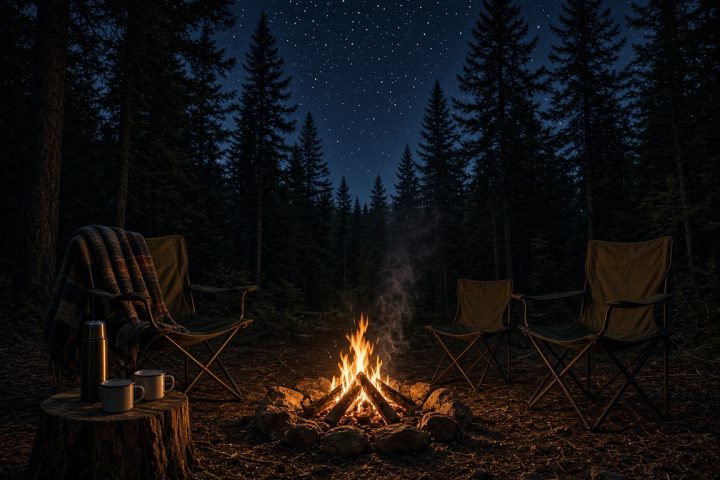
My daughter tried to drive her kids from Virginia to Washington for a real tent-camping trip. She surrendered in Yellowstone. That was the ignition: people want adventure, camping, mountains and firelight — they do not want the logistics nightmare.
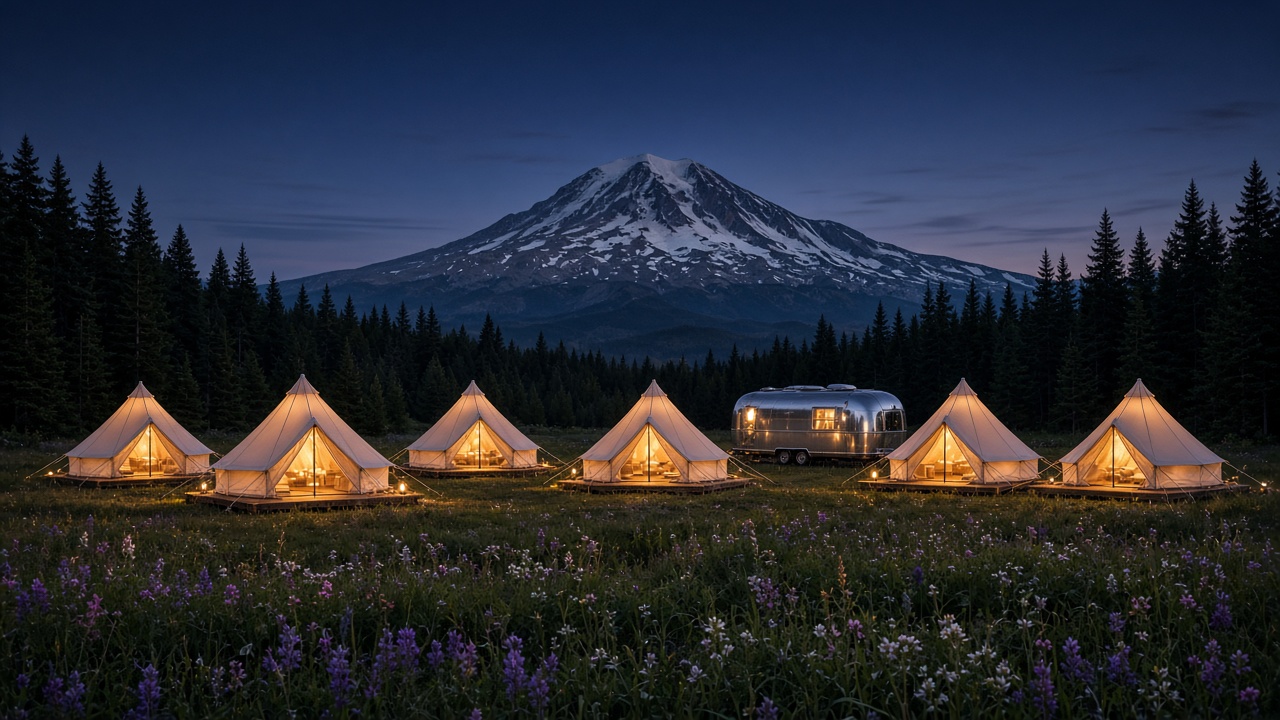
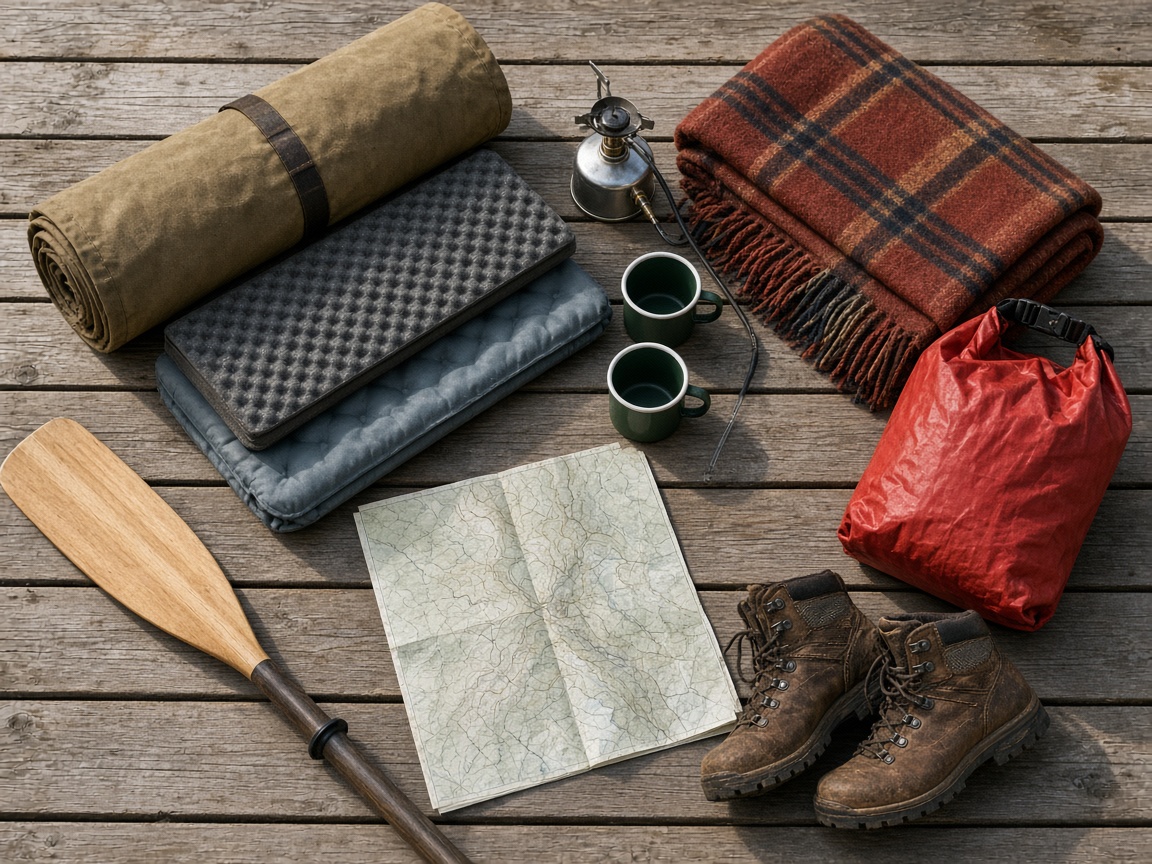
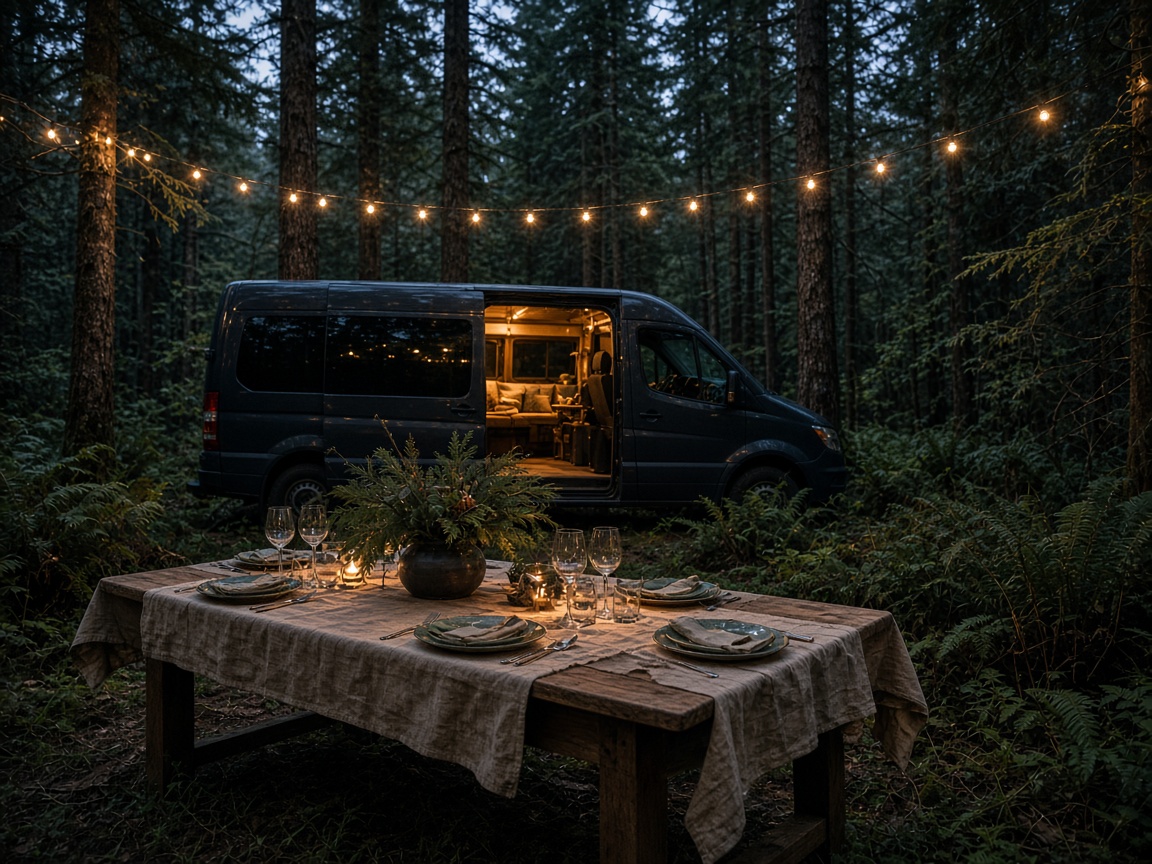
So I am building the answer, in three parts. SuperVan Adventures provides everything — van, gear, tents, heaters, kayaks, setup and teardown — so a family can fly in with nothing but clothes. Camp Easy is coming soon. SuperVan Supper Clubs takes the same idea to a night out: a hosted evening on wheels.
Fill that extra seat… take a foster kid camping. Not for their benefit — but for yours.
Not every family fills fifteen seats. The empty ones bothered me — not financially, philosophically. One weekend of stability, routine, hot chocolate and belonging can change the trajectory of a foster kid’s life, and it changes the adult as much as the child. That seat program is not charity. It is the core of the business.
06What I’m building
Fly in with nothing but clothes. We handle every other detail.
Turnkey tent-camping expeditions in the Pacific Northwest. The van, the gear, the tents, the heaters, the kayaks, the maps, the setup and the teardown — all waiting when you land. And a mission at its heart: every empty seat is a seat for a foster kid.
Coming soon.
Camp Easy is coming soon. A basecamp you show up to, unpack once, and spend the trip outside — ski days in winter, trail days in summer.
A hosted supper club on wheels.
A great night out shouldn’t feel like logistics. A professional driver, a professional host, intimate groups and curated routes to the Pacific Northwest’s best dining, casinos, concerts and private celebrations. You board the SuperVan and leave the planning to us.
07Living chapters
Entrepreneurship is not a personality trait. It is a condition. This book is written to prepare you, not to inspire you.
A captain handed me a job I had never heard of: vibration analysis on a nuclear submarine.
A grandmother’s $10,000, a quiet failure, and an airplane that taught me never to take outside money again.
A newborn, a set of analyzers, and an RV pointed at the Gulf Coast.
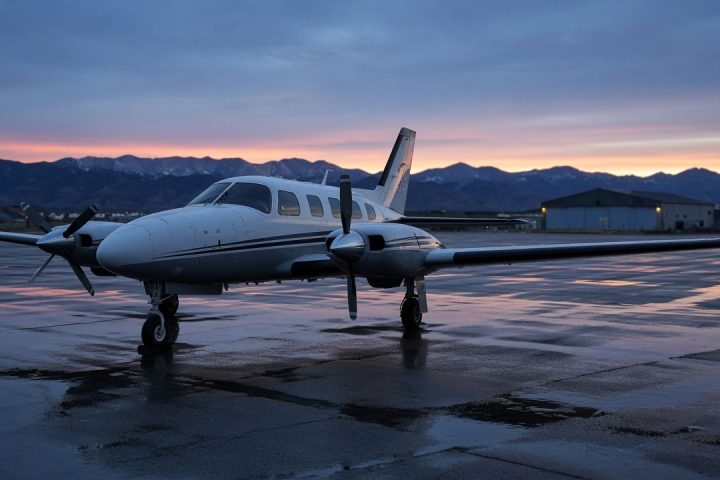
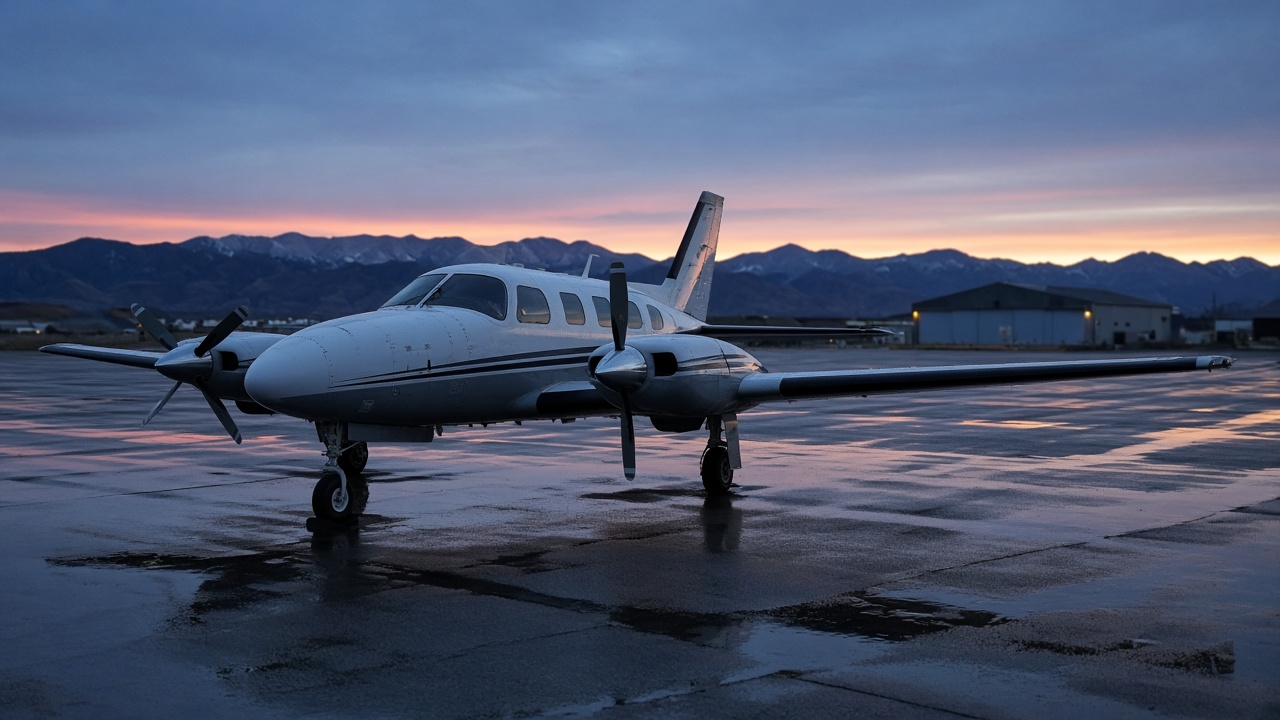
A weekend condo, an MIT engineer, and a twin-engine Piper Navajo. Logistics, not luxury.
A $2,500 Mac, a $4,000 scanner, and a $60,000 check handed over in church.
A phone call from Atlanta, two companies gone, and a basement business that healed people until 2008.
Six years in an eighteen-wheeler, then eight seconds and a shattered wrist.
A Ford Transit, a drive that stopped at Yellowstone, and a promise about the empty seat.
Success is temporary. Failure is inevitable. Reinvention is a choice. Part Two is still being lived.
Part One is written. Part Two is being written in real time — winter operations, Forest Service permits, foster-family seats, and whatever fails next.
09Say hello
If you see yourself anywhere in these pages — if any part of it feels uncomfortably familiar — write to me. Questions about the book, a podcast or a talk, a foster family who should be in the van, or a business you are not sure you should start.